Saturn
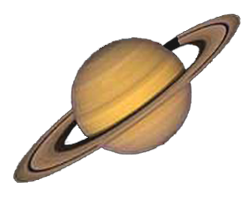
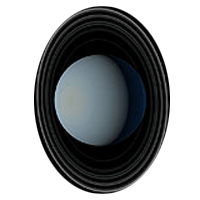
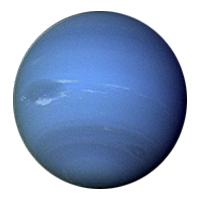
The ringed planet is significantly less populated than it's inner brother Jupiter. This is mostly dᵫ to the hazards of Saturnian navigation and it's more remote orbit.
Although the same opportunities such as skimming and gas seining activities are available in Saturn's upper atmosphere it is less prevalent. Saturn is the jumping off point to the real frontier of the solar system. Several outposts orbit Saturn are the last or the first stops for vessels heading rim ward or returning sunward.
The Saturnian moons are home for several less numerous races, which make their living off Saturn's abundant but inhospitable resources. The first explores to venture as far out as Saturn discovered a new and useful form of stable hydrogen in a crystal form. Early ætherships could burn hydrolite as fᵫl and the crystals were worth their weight in gold. The Hydrolite rush of 1949 brought many prospectors out to mine Saturn's rings but within 6 years the cheap distillation of veridigen turned the boomtowns into ghost towns. Years aſter the hydrolite rush Saturn was for a time (1959 - 1963) a harbour of æther pirates. These cutthroats would raid the merchant traffic coming and going from the Jovian moons.
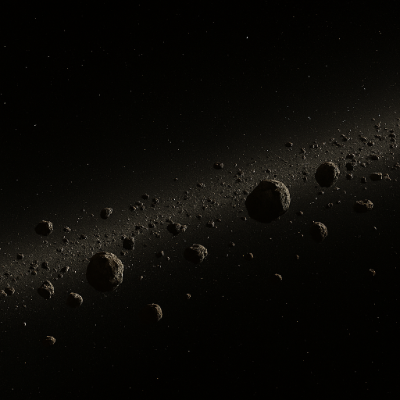
The orbital debris of Saturn's rings provided the perfect hiding place for their secret bases. As Jupiter's orbit put more distance between the two giants piracy became less cost effective and the pirates died out. Today Saturn's mane exports are æther hydrophytes, which produce industrial grade deuterium and Chromoline gas, used in metallurgical fabrication.
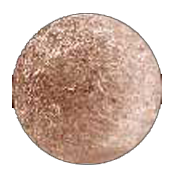
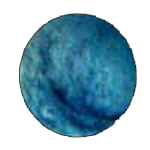
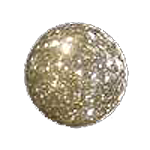
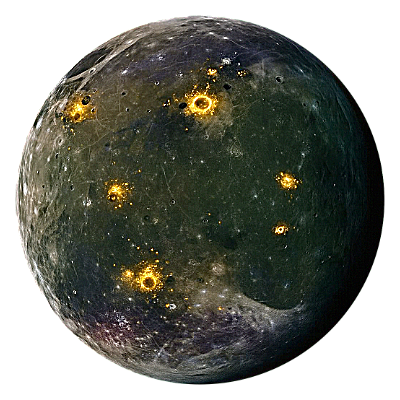
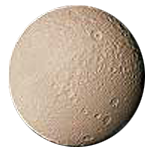
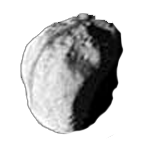
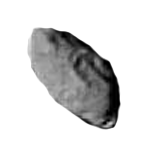
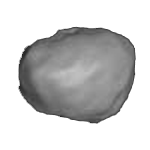
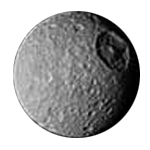
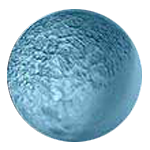
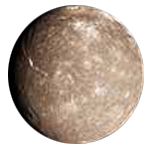
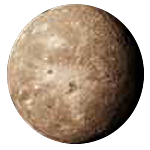
Saturns Moons: Tethys, Enceladus, Hyperion, Phœbe, Mimas, Janus, Prometheus, Epimetheus, Calypso, Rhea, and the rest of the moons; Pan, Atlas, Pandora, Telesto, Dione, Helene, Titan, Iaptus and the others are mere rocks and ice balls with no significant persons or ventures thereon.